


————
Throttle Position Sensor Replacement Steps and Precautions
2026-02-25
For modern car engines, a throttle position sensor is a very important electronic component. It is responsible for transmitting throttle opening information to the ECU (Engine Control Unit), directly affecting fuel injection quantity and ignition timing, thus impacting the vehicle's power response and fuel consumption. If the TPS malfunctions, the engine may experience problems such as unstable idle speed, sluggish acceleration, and increased fuel consumption. Therefore, understanding the TPS replacement method and precautions is essential.
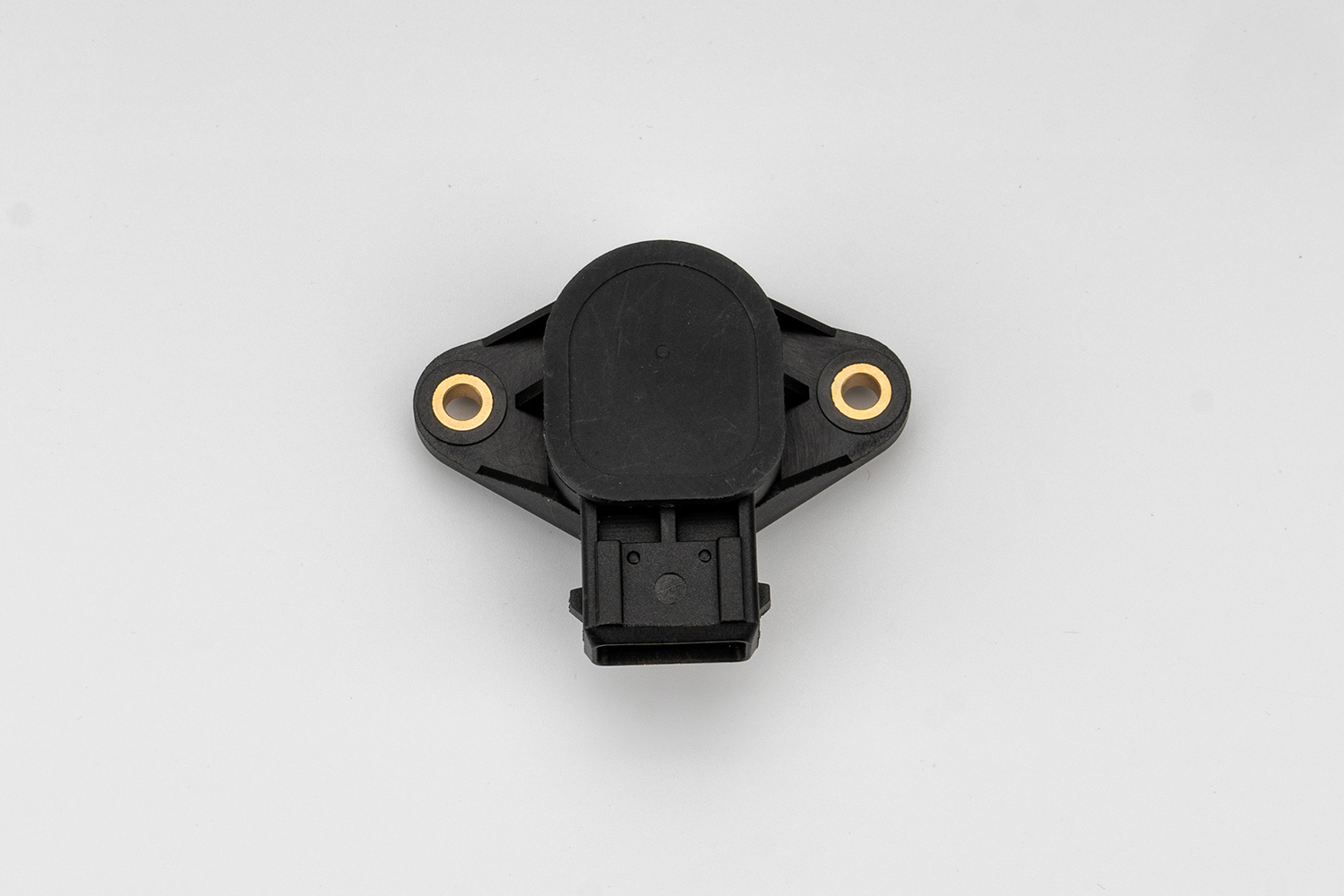
I. Throttle Position Sensor Replacement Steps
1. Disconnect the Power
Before replacing the TPS, first disconnect the negative terminal of the battery to prevent short circuits or ECU fault codes.
2. Locate the TPS Sensor
The TPS is usually installed on the side of the throttle body, directly connected to the throttle shaft. The position of the TPS can be confirmed by observing the rotation of the throttle shaft.
3. Remove the Old Sensor
Carefully remove the power connector and fixing screws, avoiding damage to the connector or threads. Do not forcibly rotate the sensor during removal to avoid damaging internal components.
4. Install the New Sensor
When installing, ensure that the sensor is aligned with the throttle shaft and secure the screws. Correct installation angle is crucial for ensuring accurate TPS signals.
5. Reset and Test
After installation, reconnect the battery, start the vehicle, and observe whether the engine idle speed, acceleration response, and dashboard fault lights are normal. If necessary, perform ECU learning or throttle body adaptive reset.
II. Precautions During Replacement
Confirm that the sensor model is the same as the original part before replacement.
Avoid excessive force to protect the sensor's internal circuitry.
For vehicles with adaptive functions, the ECU needs to be reset after replacement.
Check the throttle body for carbon deposits and clean it simultaneously if necessary.
Using a high-quality sensor can improve signal stability and extend its service life.
III. Why is the TPS Important?
The precise signal from the throttle position sensor allows the ECU to accurately determine the engine load, ensuring accurate fuel injection quantity and ignition timing, thereby optimizing engine performance and fuel consumption. A well-functioning TPS not only makes driving smoother but also extends the life of the engine and exhaust system. Replacing the TPS (Throttle Position Sensor) is not complicated, but attention to detail at each step is crucial. Proper installation, resetting, and regular maintenance ensure optimal engine power response and fuel efficiency. Understanding the function of the TPS and how to replace it allows car owners to save on repair costs and improve vehicle reliability and driving experience.
Related News

Service Hotline:
Address: Wudu Machinery Return Pioneer Park, Xiushui County, Jiujiang City, Jiangxi Province
E-mail:getaisensor@163.com